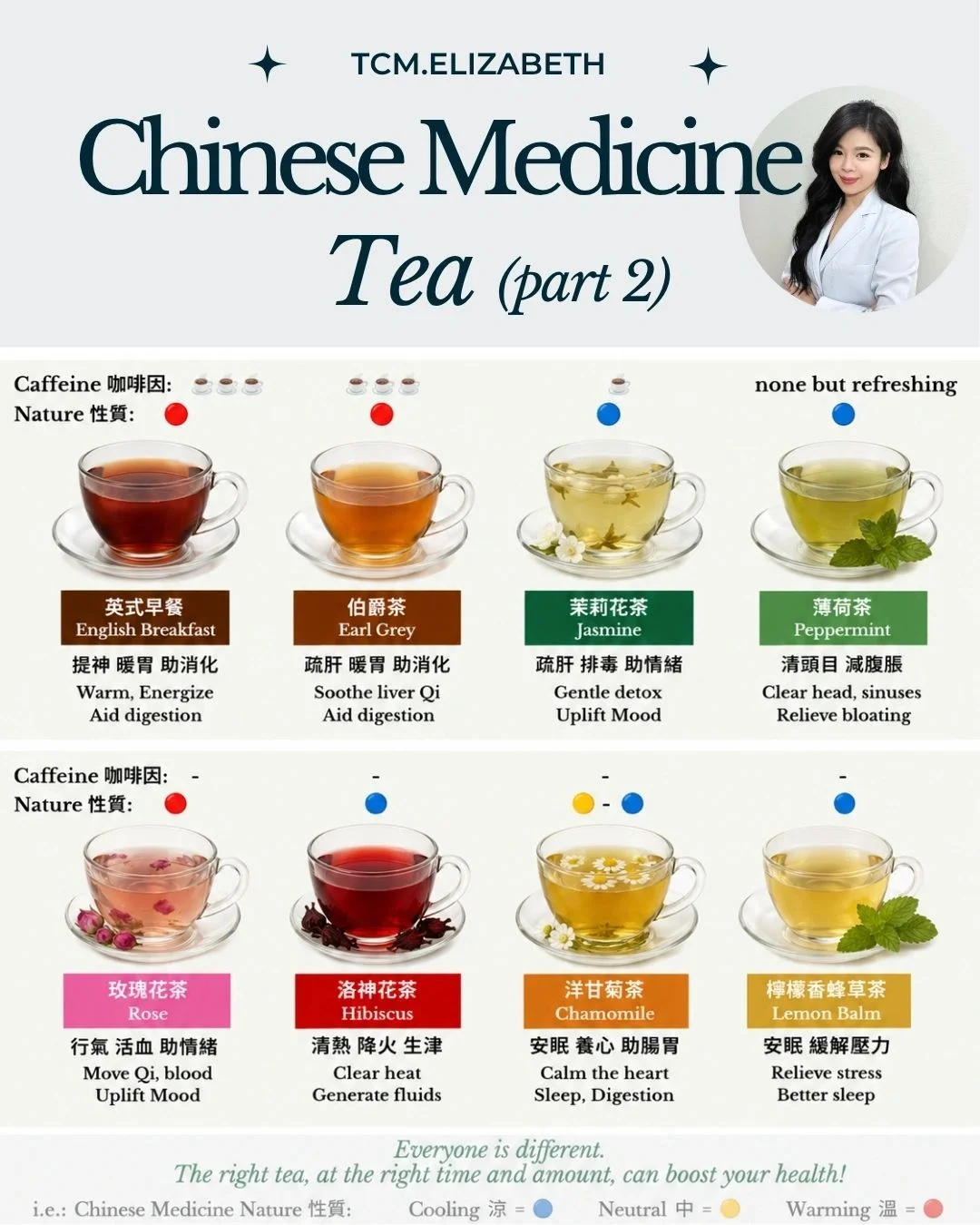
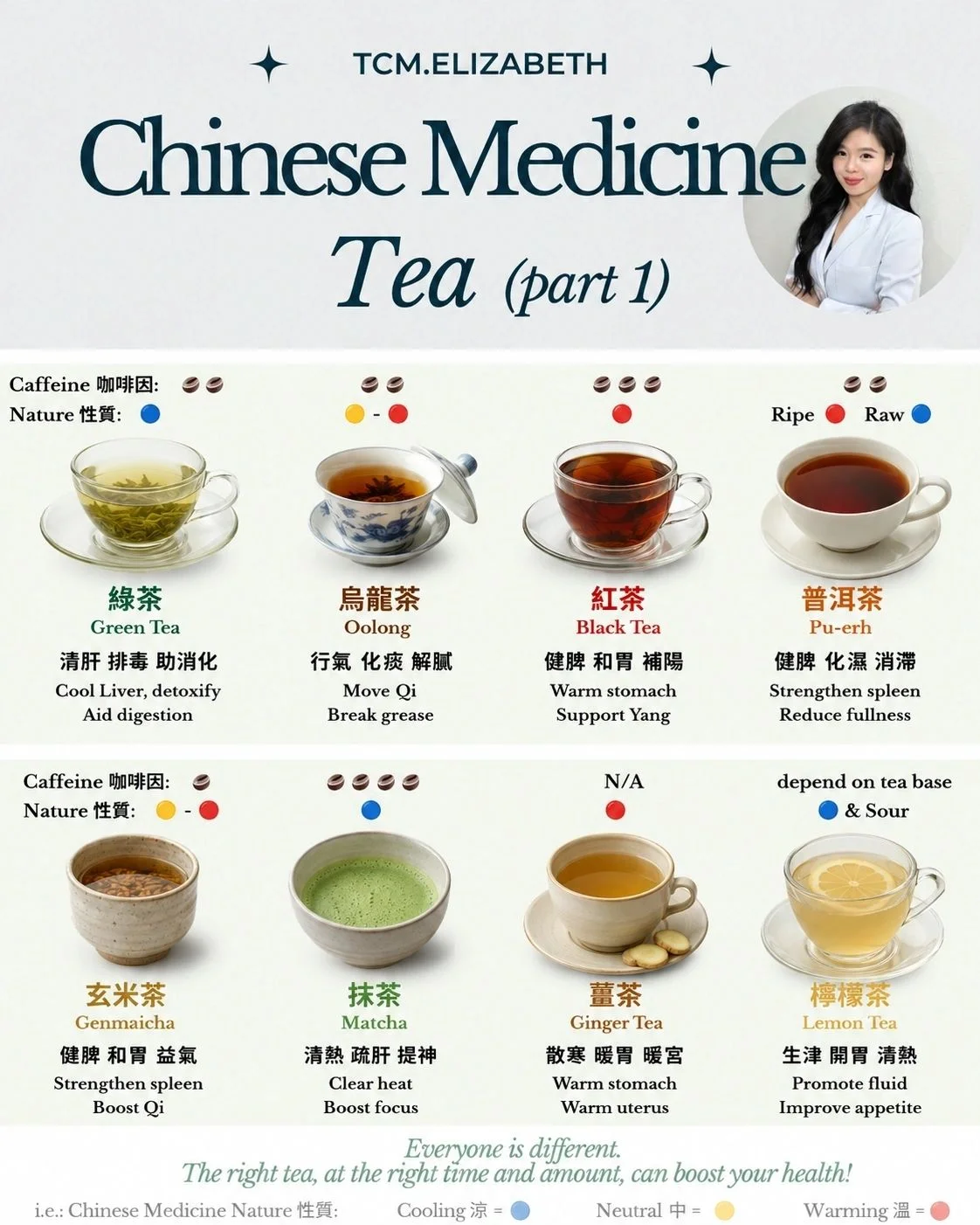
4 Types of Colds and Flu in Chinese Medicine and Food Therapy

感冒咳嗽的中醫四大類型與食療建議
When the weather changes drastically, people tend to catch colds and flu more easily. In TCM, they are caused by external pathogens — wind, cold, heat, dampness, dryness, or fire — invading the body when defensive Qi (Zheng Qi) is weak.
Whether the pathogen causes illness depends on both the strength of one’s Qi and the nature of the invading pathogen.
Colds and flu are generally classified into Wind-Cold, Wind-Heat, Wind-Dry, and Qi-Deficiency types.
Different types have different recommended and restricted foods. Choosing foods based on your type can help relieve symptoms and speed recovery.
1. Wind-Cold Type
Symptoms: Aversion to cold, headache, stiff neck, itchy throat, cough with thin white phlegm, nasal congestion, clear runny nose.
Cause: Exposure to cold wind or rain, staying in air-conditioned environments for long periods, or inadequate warmth in cold weather.
Recommended Foods: Warm and spicy foods that disperse cold and transform phlegm
→ fresh ginger, spring onion, perilla leaf, aged tangerine peel, garlic.
Avoid: Cold, raw, greasy, or sticky foods
→ ice cream, cold drinks, glutinous rice products.
Remedy: Perilla & Ginger Tea
Function: Induces mild sweating, relieves exterior cold, warms the lungs, alleviates cough
Ingredients: 4 slices fresh ginger, 3 g perilla leaves, 2 tsp brown sugar
Method: Slice the ginger and add the perilla leaves. Pour in hot water and steep for 10 minutes, then stir in the brown sugar.
2. Wind-Heat Type
Symptoms: Fever, mild chills, headache, sore throat, yellow sticky phlegm, thirst, yellow nasal discharge.
Cause: Wind-heat invasion, or untreated wind-cold converting to heat, or pre-existing internal heat aggravated by wind.
Recommended Foods: Cooling, detoxifying foods that soothe throat and relieve cough
→ monk fruit, figs, chrysanthemum, mint, mulberry leaves.
Avoid: Hot, spicy, warming foods
→ lychee, pepper, fried or grilled foods.
Remedy: Chrysanthemum & Imperata Root Tea
Function: Dispels wind-heat, clears toxins, moistens lungs, relieves throat
Ingredients: 6 g chrysanthemum, 6 g mulberry leaves, 3 g lophatherum, 3 g imperata root, 3 g mint
Method: Rinse all ingredients, pour hot water, steep 10 minutes.
3. Wind-Dry Type
Symptoms: Dry or sore throat, dry lips/nose, dry cough or scanty sticky phlegm, sometimes blood-streaked sputum.
Cause: Autumn dry weather injures lung Yin; pre-existing Yin deficiency may worsen symptoms.
Recommended Foods: Moistening, Yin-nourishing foods
→ lily bulb, snow fungus, glehnia root, ophiopogon root, figs, apples, loquat.
Avoid: Hot, spicy, dry foods
→ chili, pepper, fried foods, grilled items.
Remedy: Snow Fungus & Lily Bulb Soup
Function: Nourishes Yin, moistens lungs, relieves dry cough
Ingredients: 15 g soaked snow fungus, 10 g lily bulb, 6 g north & south almonds, rock sugar
Method: Wash ingredients, add 800 ml water, boil, simmer 30 min, add sugar.
4. Qi-Deficiency Type
Symptoms: Fatigue, shortness of breath, low voice, aversion to cold, weak cough, nasal congestion, headache.
Cause: Weak constitution or low immunity; common in chronic illness, elderly, or cold/weak body types.
Recommended Foods: Qi-tonifying, spleen-strengthening foods
→ astragalus, Chinese dates, atractylodes, yam, goji berries, lotus seed, chicken soup, lean meat soup.
Avoid: Cold, raw, greasy, indigestible foods
→ ice drinks, watermelon, bitter melon, raw salads.
Remedy: Qi-Tonifying Astragalus & Jujube Tea
Function: Tonifies Qi, strengthens spleen, stabilizes exterior, prevents recurrent colds
Ingredients: 20 g astragalus, 6 g saposhnikovia, 6 g atractylodes, 3 Chinese dates
Method: Rinse ingredients, add 500 ml water, boil, simmer 20 min, sip slowly.
⚠️ Important Note: Herbal remedies and food therapy should be adjusted to individual constitution. Consult a registered Chinese medicine practitioner before use. Avoid long-term or excessive consumption.
Content on this site is general health education. It does not replace individual diagnosis or treatment by a doctor or registered Chinese medicine practitioner. In an emergency call 999 or go to A&E.