6 Things I Want Women Aged 25–34 to Know: From a TCM Practitioner

Click “HERE” to view the post on Instagram.
6 Things I Want Women Aged 25–34 to Know: From a TCM Practitioner
Your 20s and early 30s are often considered a time when the body is naturally full of energy and vitality.
But this does not mean we should ignore the signals our body gives us.
In my clinical experience, many women wait until symptoms become obvious before paying attention. However, your menstrual cycle, digestion, sleep, skin, and emotions often give early clues about your overall health.
From a Traditional Chinese Medicine (TCM) perspective, this is a valuable stage to build a strong foundation for the future.
Here are six things I hope every woman aged 25–34 knows.
1. Your Period Is Your Monthly Health Report
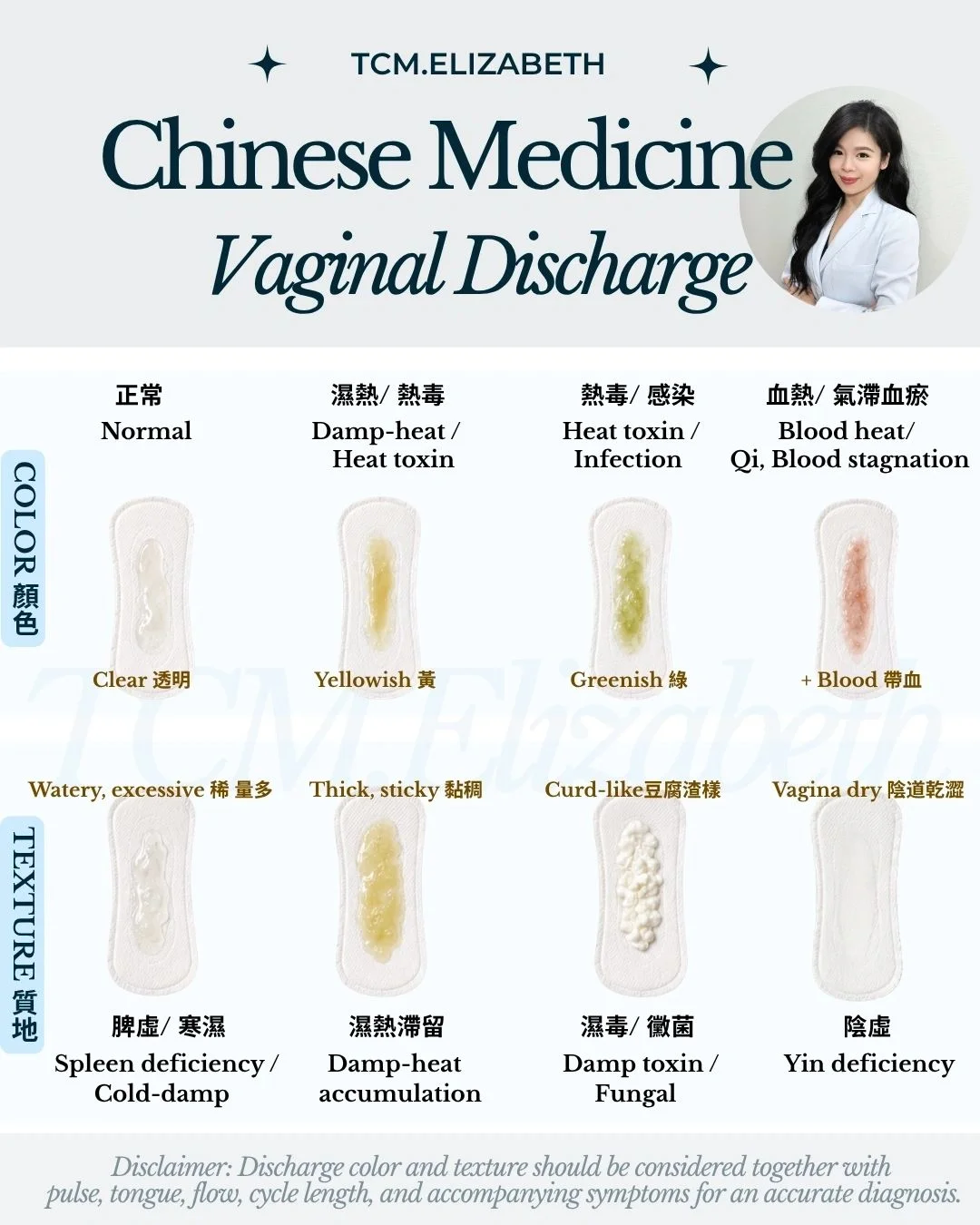
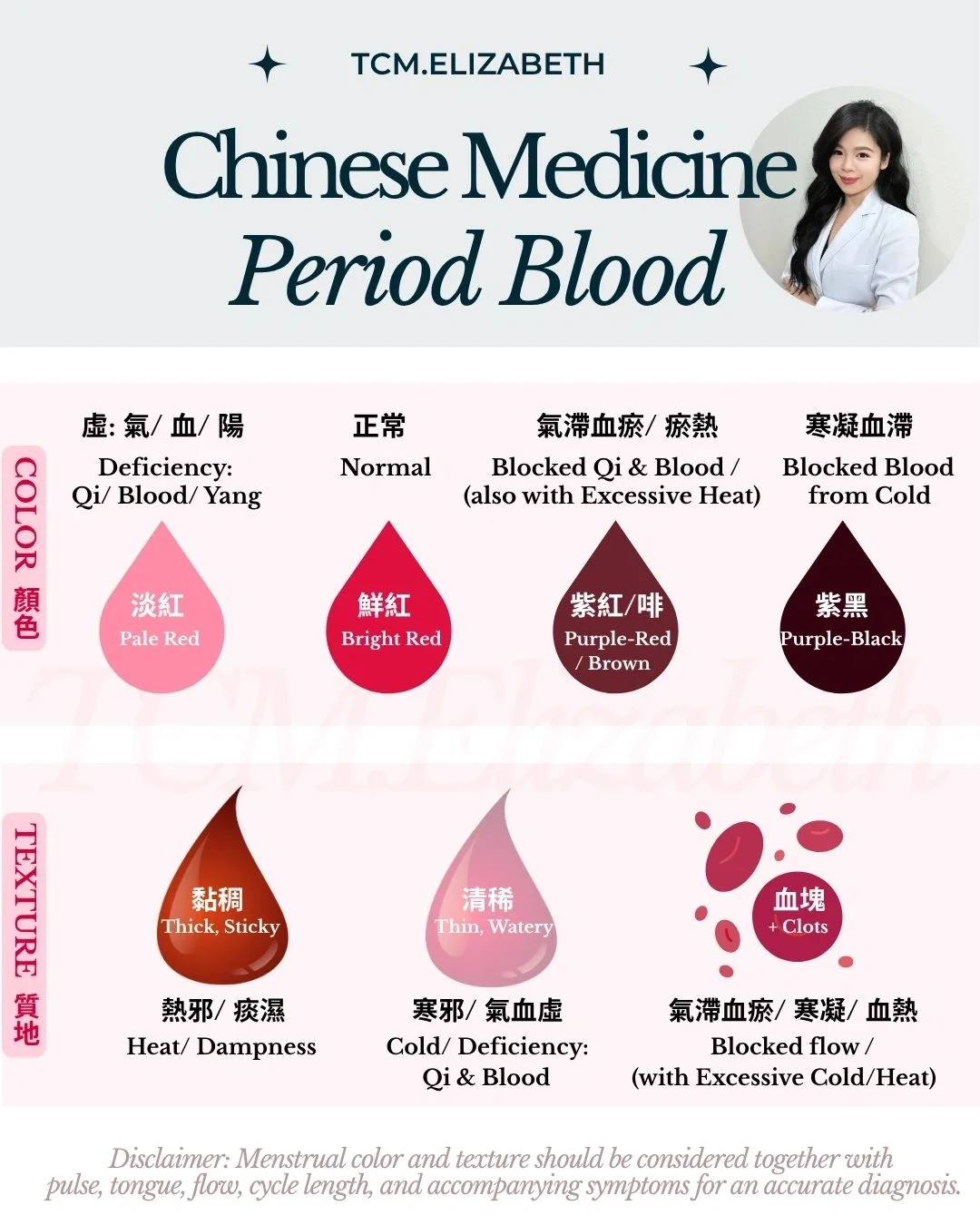
Your menstrual cycle reflects more than just your period — it gives information about your overall Qi and Blood condition.
Start paying attention to:
Cycle length and regularity
Menstrual flow
Period pain
Mood changes
Skin changes such as acne
Lower back discomfort
Having occasional changes can be normal, but persistent symptoms such as frequent cramps, strong mood swings, or ongoing breakouts may be signs that your body needs more support.
In TCM, these patterns may be related to imbalances such as:
Liver Qi stagnation
Blood deficiency
Blood stasis
Your body communicates with you every month. Learning to listen early allows you to support your health before small imbalances become bigger ones.
2. Fertility Is Not Only About Age
Fertility is influenced by many factors, and age is only one part of the picture.
In TCM, the Kidney system is closely related to reproduction and is supported by Kidney Essence (Jing), which forms an important foundation for fertility.
Your mid-20s to early 30s are generally considered a time when reproductive function is relatively strong, but maintaining good health during this stage matters.
TCM does not only look at age. We also consider:
Qi and Blood nourishment
Smooth movement of Liver Qi
Strength of the Spleen and Kidney systems
Fertility is often viewed as a reflection of the body's overall balance and ability to nourish the reproductive system.
3. Build Muscle Now — Your Future Self Will Thank You
Many people think strength training is only about appearance, but muscle plays an important role in long-term health.
Around your 30s, muscle strength and metabolism may begin to change gradually.
Over time, reduced muscle mass may contribute to:
Easier weight gain
Lower energy
Reduced stability
Greater physical fatigue
In TCM, the Spleen is responsible for transforming food into Qi and Blood, and is closely related to muscle nourishment.
Building strength early helps support your body's ability to maintain energy, movement, and resilience.
4. Late Nights May Affect You More Than You Realise
Many young women can tolerate late nights during their early 20s — until suddenly they cannot.
In TCM, night time is considered an important period for the body to restore and replenish. Blood is nourished during rest, while Qi returns inward to support recovery.
Consistently poor sleep may contribute to:
Fatigue
Poor concentration
Dull complexion
Reduced immunity
Emotional imbalance
Over time, it may affect Liver Blood and Yin nourishment.
You may still be able to function the next day, but your body is still working hard to recover.
5. Your Body May Become More Sensitive to Food and Lifestyle
Many people reach their late 20s and notice:
"I used to eat this all the time, but now my body reacts differently."
From a TCM perspective, this may happen when digestion becomes less efficient.
The Spleen system plays an important role in transforming food into energy. When digestion is weaker, Dampness may accumulate, sometimes combining with Heat.
This may show up as:
Bloating
Skin flare-ups
Eczema
Rashes
Feeling heavy or sluggish
It is not always that the food itself is “bad” — your body may simply be processing it differently.
Pay attention to:
Too much cold or raw food
Greasy or heavy meals
Excess spicy foods
Too much alcohol, coffee, or strong tea
6. Pushing Through Everything Is Not the Same as Being Strong
One of the most common patterns I see is women ignoring their body's signals.
Symptoms such as:
Constant tiredness
Digestive discomfort
Period pain
Skin changes
Poor sleep
are often the body's way of asking for attention.
In TCM, these may reflect patterns such as Liver Qi stagnation, Spleen weakness, or a long-term imbalance.
Many people think:
"I just need to push harder."
But true strength is knowing when to:
Pause
Adjust
Rest
Support your body
Taking care of yourself now is an investment in the healthier version of yourself in the future.
Disclaimer: This article is based on general TCM principles and is intended for education only. In clinical practice, recommendations are personalised according to each individual's constitution and pattern diagnosis through consultation, including symptoms, tongue observation, and pulse diagnosis.
Content on this site is general health education. It does not replace individual diagnosis or treatment by a doctor or registered Chinese medicine practitioner. In an emergency call 999 or go to A&E.