Chinese Medicine: Why Women May Experience a Lower Sex Drive

Click “HERE” to view the post on Instagram.
5 Reasons Women May Experience a Lower Sex Drive: A TCM Practitioner Explains
Many women experience changes in their sexual desire at different stages of life.
Sometimes it is temporary. Sometimes it reflects changes in stress, hormones, relationships, sleep, or overall health.
A lower sex drive does not always mean something is wrong. However, if it affects your confidence, wellbeing, or relationship, it may be worth exploring.
From a Traditional Chinese Medicine (TCM) perspective, sexual wellbeing is closely connected to the balance of Qi, Blood, Yin, Yang, emotions, and the health of the internal organs.
Here are six common reasons women may notice changes in their libido.
A Lower Sex Drive Does Not Always Mean There Is a Problem
Not every woman naturally experiences a strong sexual desire, and libido can change throughout different stages of life.
For some women, having a lower desire is simply part of their normal baseline. It becomes something to explore when it causes distress or affects intimacy and relationships.
In TCM, we do not view this as a single “disease.” Instead, we look at the overall pattern of the body.
This includes:
Energy levels
Emotional wellbeing
Sleep quality
Menstrual cycle
Digestion
Overall constitution
Before considering treatment, the first step is understanding what your body is communicating.
Depending on the individual's pattern, acupuncture and herbal medicine may be used to support circulation, regulate the body's balance, and improve overall wellbeing.
1. Stress Can Make It Harder for Your Body to Relax
When your mind is constantly busy, your body may struggle to fully relax into intimacy.
Long-term stress from work, relationships, family responsibilities, or emotional pressure can affect sexual desire.
You may notice:
Feeling mentally overloaded
Difficulty switching off
Emotional tension
Constant worry
In TCM, emotional stress is often associated with Liver Qi stagnation, where the smooth flow of Qi becomes restricted.
Because the Liver system is related to emotional regulation and the free movement of Qi, imbalance may affect mood, relaxation, and desire.
Supportive lifestyle approaches may include:
Creating more space for rest and relaxation
Gentle exercise
Stress management
Foods traditionally used to support Liver Qi movement, such as citrus peel, mint, and aromatic herbs
2. Hormonal Changes and Your Menstrual Cycle Matter
Sexual desire naturally changes throughout the menstrual cycle.
Some women notice lower libido:
Before or during menstruation
After childbirth
During breastfeeding
During periods of hormonal transition
Others may notice increased desire around ovulation.
Certain medications, including some hormonal contraceptives, may also affect libido or sensitivity in some individuals.
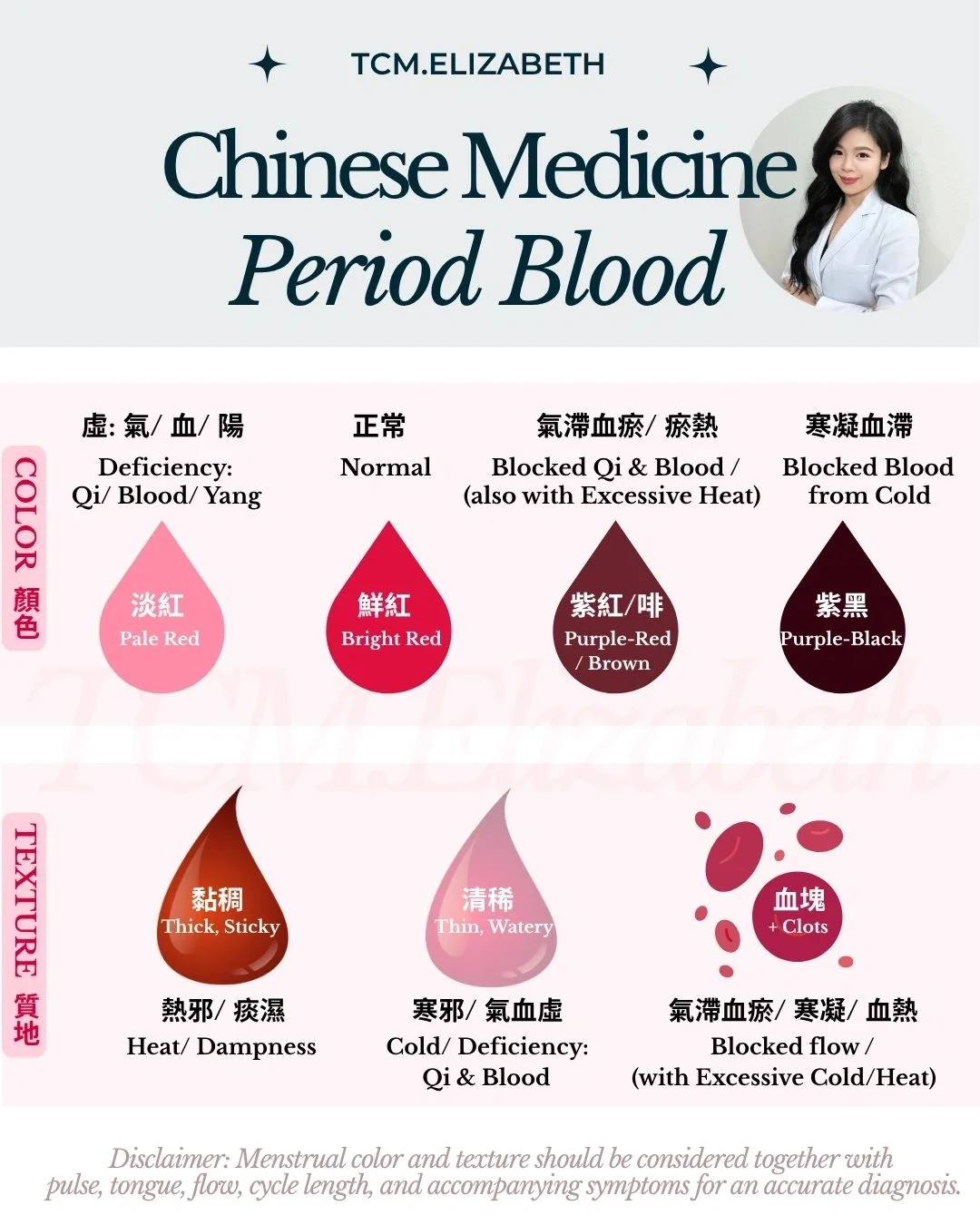
In TCM, the menstrual cycle reflects the movement and nourishment of Qi and Blood.
Supporting healthy cycles involves looking at:
Blood nourishment
Smooth Qi circulation
Balance between Yin and Yang
A healthy cycle is often considered an important foundation for reproductive and sexual wellbeing.
3. Physical Discomfort Can Affect Desire
Sometimes a decrease in libido is not emotional — it is the body's natural response to discomfort.
Physical symptoms that may affect intimacy include:
Pain during intercourse
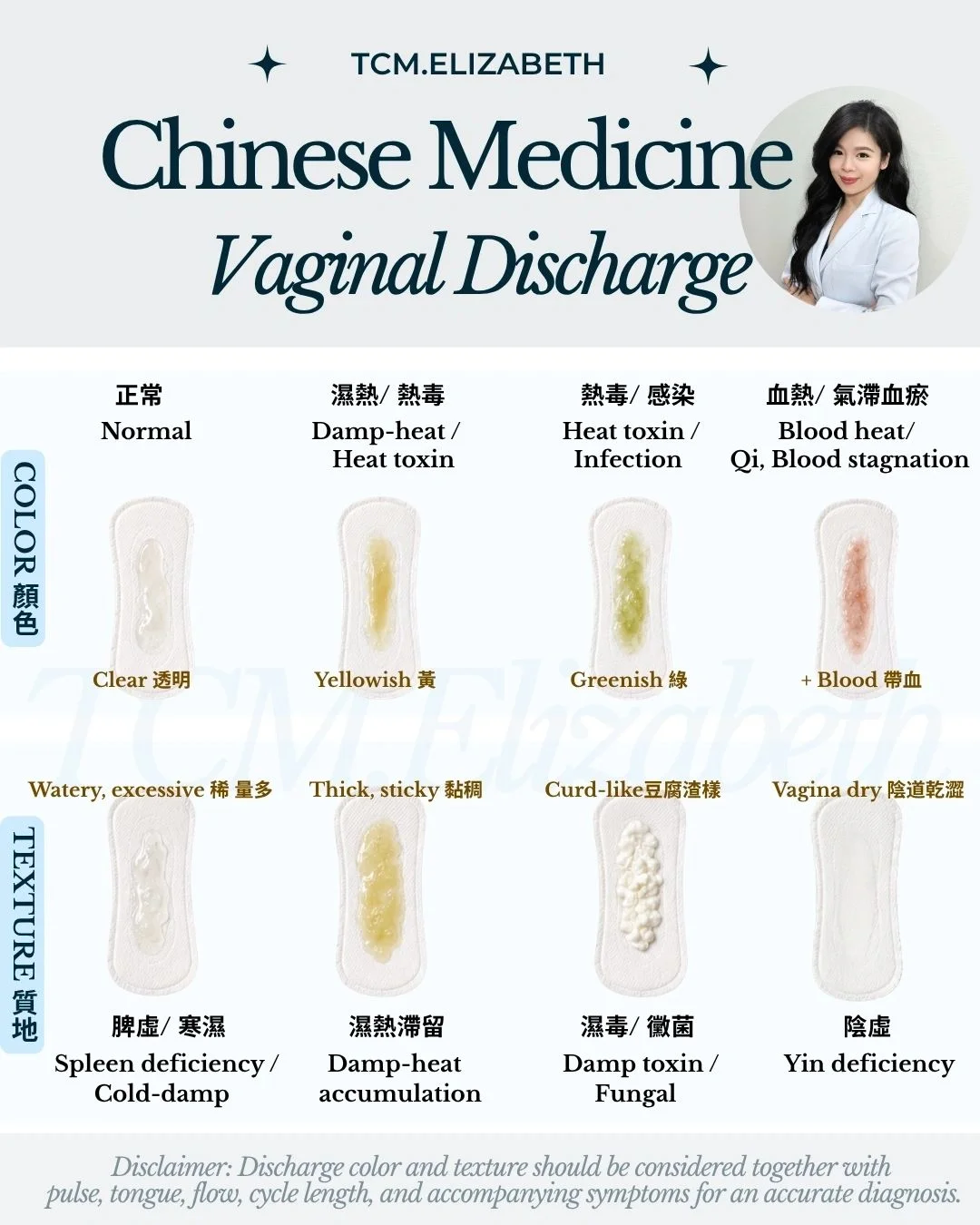
Vaginal dryness
Pelvic discomfort
Recurrent irritation or infections
Pain should not be ignored. It is important to discuss persistent symptoms with a qualified healthcare professional.
From a TCM perspective, dryness may be associated with Yin deficiency patterns, especially when combined with symptoms such as dryness, heat sensations, or poor sleep.
Support may include:
Yin-nourishing foods such as pear, lily bulb, black sesame, and tofu
Reducing excessive late nights
Supporting hydration and rest
Other symptoms involving heaviness, bloating, or inflammation may sometimes be related to Dampness patterns in TCM.
Lifestyle support may include:
Reducing excessive sugar and greasy foods
Eating regular meals
Supporting healthy digestion
4. Feeling Cold May Be Related to Lower Energy and Desire
Some women notice that when their body feels cold, their energy and desire also decrease.
You may experience:
Cold hands and feet
Lower energy
Feeling tired easily
Weakness in the lower back
In TCM, this may be associated with Kidney Yang deficiency — a pattern related to reduced warmth, vitality, circulation, and reproductive support.
Supportive habits may include:
Choosing warm cooked foods
Including warming ingredients such as ginger
Drinking nourishing soups
Avoiding excessive iced drinks if they do not suit your body
Keeping the lower abdomen and lower back warm
5. Emotional Connection Matters More Than Many People Realise
For many women, desire is closely connected to emotional wellbeing.
Libido may decrease when there is:
Emotional distance
Unresolved conflict
Lack of communication
Feeling unseen or unsupported
In TCM, the Heart and Liver systems are closely linked with emotions and the smooth movement of Qi.
When emotional balance is affected, the body may naturally respond.
Supporting this area may involve:
Communicating openly
Addressing problems before they build up
Creating quality time without pressure
Prioritising rest and self-care
Sometimes improving intimacy begins not with “fixing the body,” but with creating a safer and more connected emotional environment.
Final Thoughts
Sexual desire is influenced by many factors — physical health, emotions, stress, relationships, hormones, and lifestyle.
From a TCM perspective, there is no single cause or one-size-fits-all solution.
A proper assessment looks at your individual constitution and pattern through symptoms, lifestyle, tongue observation, and pulse diagnosis.
Supporting your overall balance is often the first step toward supporting sexual wellbeing.
Disclaimer: This article is based on general TCM principles and is intended for educational purposes only. It does not replace medical advice. If you experience persistent pain, sudden changes, or concerns about your sexual or reproductive health, consult a qualified healthcare professional.
Content on this site is general health education. It does not replace individual diagnosis or treatment by a doctor or registered Chinese medicine practitioner. In an emergency call 999 or go to A&E.