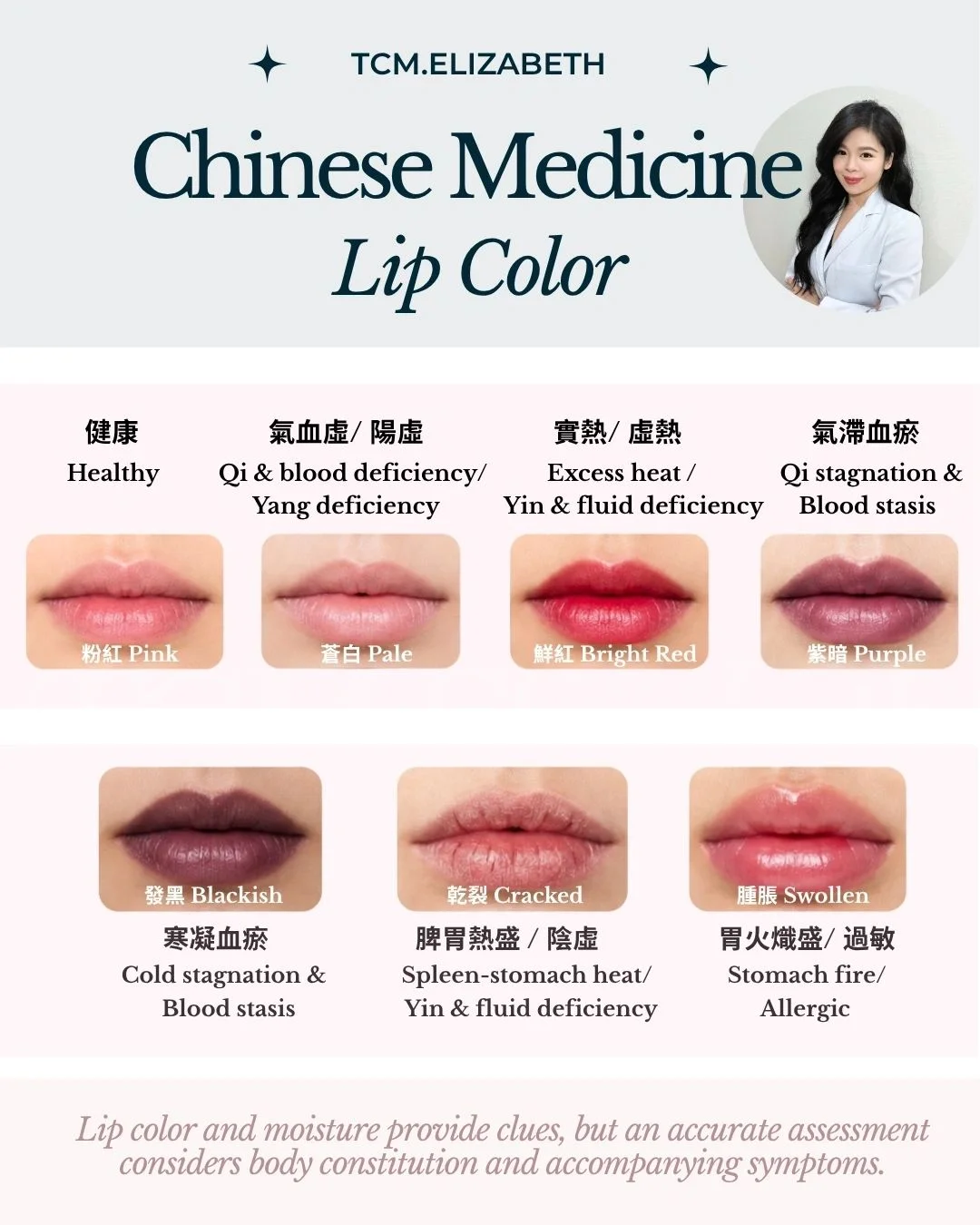
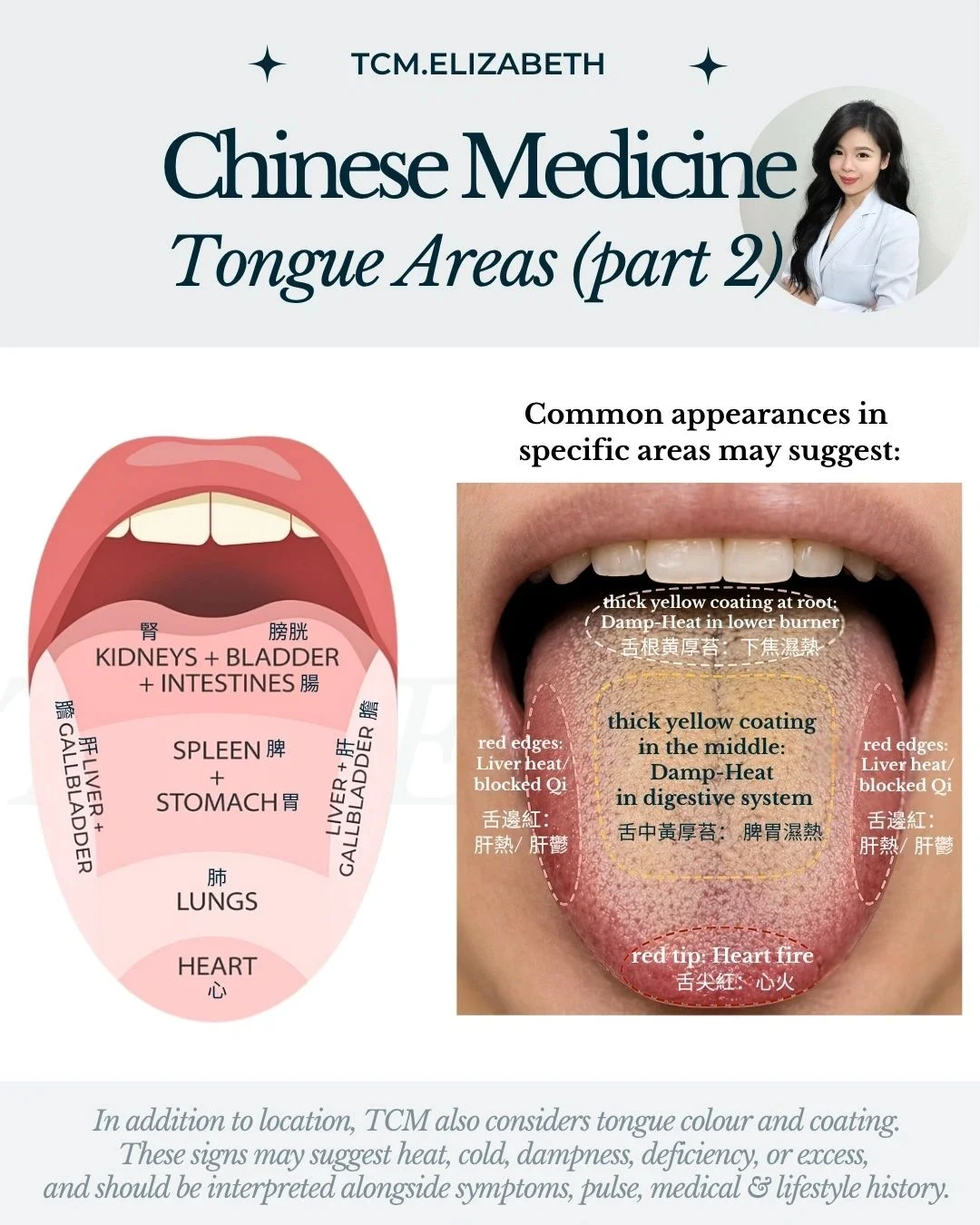
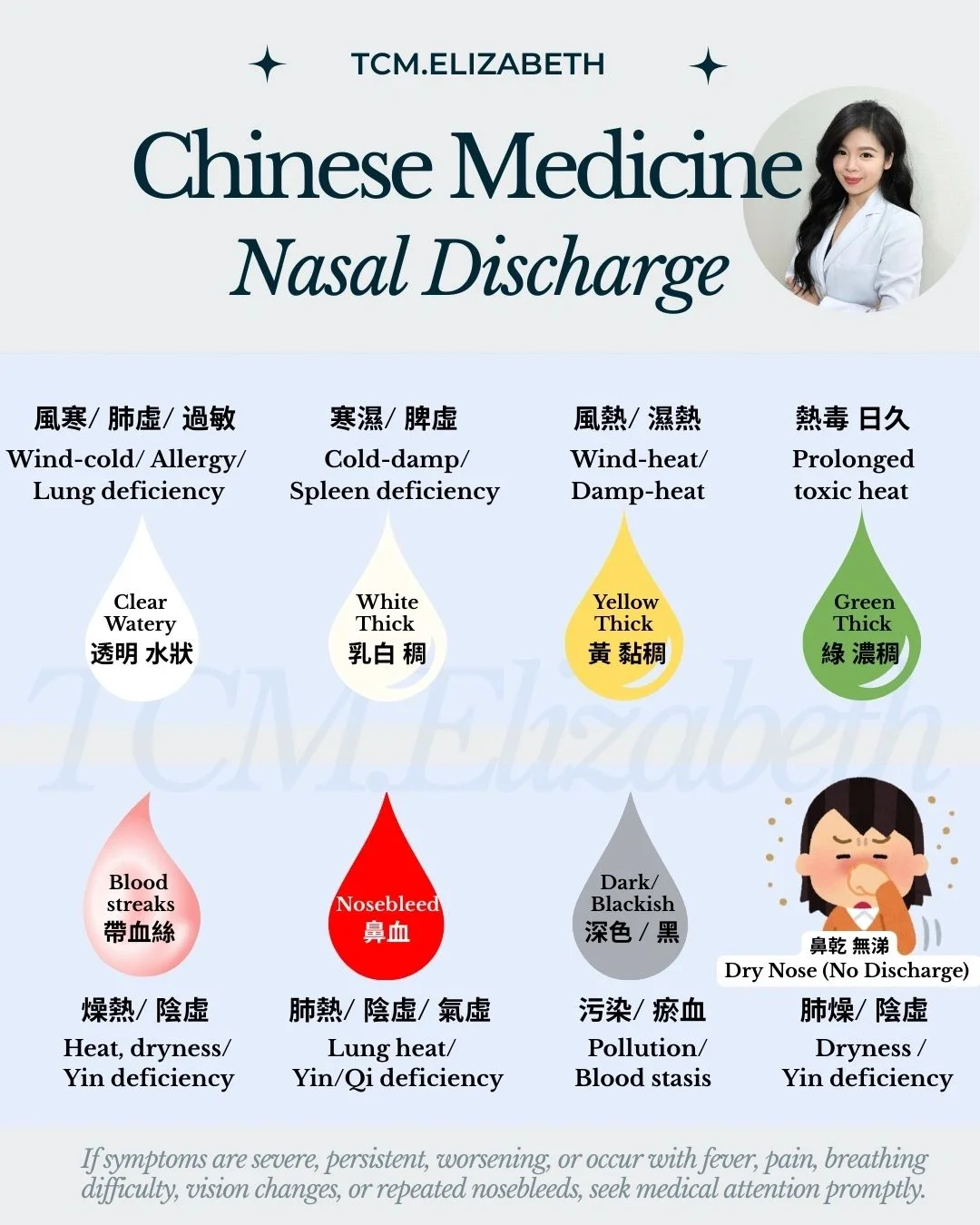
How Does Chinese Medicine View Hair Loss?
From a TCM perspective, hair is not merely a skin appendage, but an important reflection of the internal state of the body, including the balance of the organs, qi, blood, and essence.
The Huang Di Nei Jing states:
“The Kidney stores essence; its manifestation is in the hair.”
“Hair is the surplus of blood.”
This means that healthy hair growth relies on:
Kidney essence transforming into blood
Liver blood nourishing the hair
The Spleen and Stomach producing sufficient qi and blood
When internal balance is disrupted—whether due to deficiency, excess, or a mixture of both—hair is often one of the earliest indicators.
In TCM, hair loss is commonly classified as root deficiency with superficial excess, or a combination of deficiency and excess. Treatment must therefore be based on pattern differentiation rather than a one-size-fits-all approach.
Normal vs. Abnormal Hair Loss
Normal Range
50–100 hairs lost per day
Adults have approximately 100,000 hairs
Growth phase: 85–90%
Resting phase: 10–15% (shed after 3–4 months)
Warning Signs of Abnormal Hair Loss
More than 100 hairs lost per day
Simple test: gently comb hair with fingers three times; more than 10 hairs fall out
Common warning signs include:
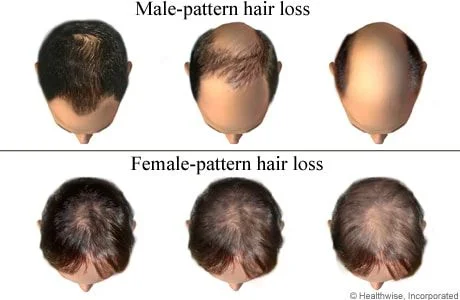
Widening hair part (common in female-pattern hair loss)
Sudden increase in shedding (on pillow, comb, or during washing)
Visible scalp due to reduced density or thinning hair
Receding hairline (M-shaped or crown thinning)
Patchy or circular hair loss
Core TCM Understanding of Hair Loss
Hair loss is mainly related to:
Kidney essence deficiency
Liver blood deficiency
Qi and blood disharmony, failing to nourish the hair
Common Mechanisms
Deficiency patterns: Liver–Kidney deficiency, qi and blood deficiency → hair follicles lack nourishment
Excess patterns: damp-heat, blood heat generating wind, qi stagnation with blood stasis → obstruction of channels and follicle damage
Common TCM Patterns and Characteristics
1. Liver and Kidney Deficiency Pattern (Most Common, Gradual Hair Loss)
Causes Constitutional weakness, aging (more evident after age 40), chronic overwork, staying up late, excessive sexual activity, genetics, chronic illness, excessive mental strain.
Hair Loss Characteristics Gradual, progressive thinning, especially at the crown and sides. Hair becomes dry, dull, brittle, prone to breakage, with early greying.
Associated Symptoms Lower back and knee soreness, dizziness, tinnitus, poor memory, light or disturbed sleep, frequent night urination, reduced libido, fatigue, loose teeth.
Subtypes
Kidney Yin Deficiency: very dry hair and scalp, mild flaking, heat sensations in palms and soles, dry mouth and throat, night sweats
Kidney Yang Deficiency: dry hair with oily scalp, cold intolerance, cold limbs, low energy, clear and frequent urination
Treatment Focus Tonify the Kidneys, replenish essence, nourish Liver blood Dietary focus: black sesame, black beans, goji berries, mulberries, walnuts
2. Qi and Blood Deficiency Pattern
Causes Postpartum blood loss, heavy menstruation, long-term dieting, poor digestion, chronic illness, excessive mental work, damage to the Heart and Spleen.
Hair Loss Characteristics Sudden increase in hair shedding, hair becomes fine, soft, weak, and lacks elasticity. Overall hair volume decreases, scalp becomes visible.
Associated Symptoms Pale or sallow complexion, pale lips, fatigue, shortness of breath, palpitations, insomnia, poor appetite, loose stools, numbness in hands and feet.
Treatment Focus Tonify qi, nourish blood, strengthen the Spleen Dietary focus: red dates, longan, astragalus, chicken soup, lean meat, spinach
3. Damp-Heat Accumulation Pattern (Spleen and Stomach Damp-Heat)
Causes Greasy and spicy diet, alcohol consumption, fried and barbecued foods, irregular lifestyle, impaired Spleen and Stomach function.
Hair Loss Characteristics Oily, shiny scalp; greasy dandruff; sticky hair texture; scalp itching or mild inflammation. Hair thinning is more obvious at the crown and frontal area.
Associated Symptoms Bitter or sticky taste in the mouth, bloating, poor appetite, sticky stools, dark urine, heavy sensation in the body, acne-prone or oily skin.
Treatment Focus Clear heat, drain dampness, strengthen the Spleen Dietary focus: winter melon, coix seeds, mung beans, corn, bitter melon, celery Avoid greasy and spicy foods
4. Blood Heat Generating Wind Pattern
Causes Emotional stress transforming into heat, anger or frustration, staying up late, excessive pressure, internal blood heat, external wind-heat invasion.
Hair Loss Characteristics Sudden, rapid hair loss occurring in patches, often within days. Affected scalp areas are smooth and clean.
Associated Symptoms Mild scalp redness or heat, dry mouth, irritability, insomnia, constipation, red tongue with yellow coating.
Treatment Focus Cool the blood, extinguish wind, nourish blood and moisten dryness Dietary focus: raw rehmannia, moutan bark, mung beans, chrysanthemum tea
5. Qi Stagnation and Blood Stasis Pattern
Causes Chronic emotional stress, depression, Liver qi stagnation, trauma or surgery.
Hair Loss Characteristics Localized hair loss with irregular borders, scalp tightness or stabbing pain, pain during combing, thinning hair in affected areas.
Associated Symptoms Low mood, irritability, chest or rib-side discomfort, menstrual irregularities, dark tongue or purple spots, wiry or choppy pulse.
Treatment Focus Soothe the Liver, regulate qi, invigorate blood, resolve stasis Dietary focus: rose tea, aged tangerine peel, bergamot, black fungus, hawthorn
Core TCM Strategies for Improving Hair Loss
1. Lifestyle Regulation (Root Treatment)
Sleep before 11:00 pm; aim for 7–8 hours
Avoid staying up late, overwork, excessive sexual activity, excessive alcohol
Gentle exercise such as walking or tai chi to promote circulation
Stress management to prevent internal heat and yin depletion
2. Scalp and Hair Care (External Support)
Gently tap and massage the scalp using fingertips
Use warm water for washing; avoid harsh scratching
Use a wide-tooth comb; avoid tight hairstyles, excessive heat, or sleeping with wet hair
Choose hair products suitable for scalp type
3. Early Consultation and Correct Diagnosis
Hair loss is a bodily warning sign, especially when sudden or severe
Seek evaluation from a registered TCM practitioner
Avoid self-prescribing tonics, as incorrect supplementation may worsen the condition
4. Treatment Course and Expectations
TCM hair loss treatment typically requires 3–6 months or longer
Consistency and lifestyle changes are essential
Treatment options may include herbal medicine, acupuncture, plum blossom needling, or herbal scalp washes
Disclaimer
This information is provided for reference and educational purposes only. Hair loss patterns vary between individuals, and a more accurate diagnosis and treatment plan should be obtained through consultation with a registered Traditional Chinese Medicine practitioner.
Content on this site is general health education. It does not replace individual diagnosis or treatment by a doctor or registered Chinese medicine practitioner. In an emergency call 999 or go to A&E.