Lose body fat & gain muscle using Chinese Medicine & nutrition
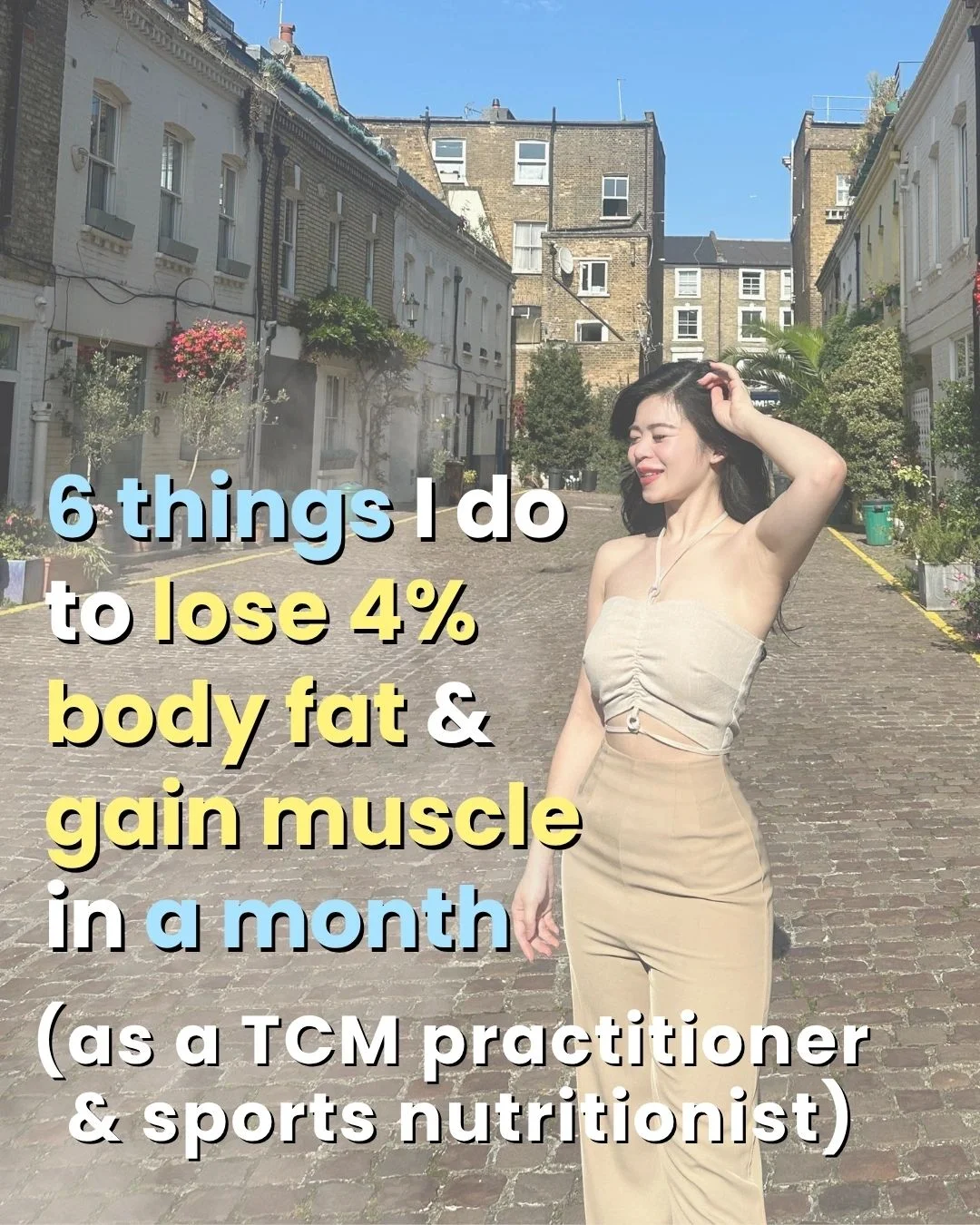
6 things I do to lose 4% body fat & gain muscle in a month
As a TCM practitioner & sports nutritionist
After reviewing my recent InBody results, I adjusted my training, nutrition, and recovery strategy with a clear focus on body recomposition — reducing body fat while maintaining or increasing lean muscle mass.
As a Traditional Chinese Medicine (TCM) practitioner, sports nutritionist, and someone who has been training consistently in the gym for over 8 years, these are the strategies that personally work for me to improve body composition, support recovery, and build sustainable habits.
That said, every body is different. Fat loss and muscle gain are influenced by many factors including genetics, lifestyle, stress levels, hormones, sleep, and underlying health conditions.
If you have underlying root causes such as Polyendocrine Metabolic Ovarian Syndrome (PMOS), insulin resistance, thyroid conditions, hormonal imbalance, menopause-related metabolic changes, or other medical concerns, addressing the metabolic and hormonal issues is equally important — not just focusing on calories or exercise alone.
Please consult your own TCM practitioner, nutritionist, personal trainer, or healthcare professional before making major changes to your diet, supplements, training, or treatment plan.
It is also important to understand that these methods are what work for me personally based on my training history and current metabolic condition. Results are highly individualised, and what is realistic for one person may not be the same for another.
Healthy body fat ranges also vary depending on gender, age, and muscle mass — and the goal should always be metabolic health, strength, and sustainable energy, not an extreme number on a scan.
1. Train with a clear plan
1.1 Strength training
Frequency: 3–5 times per week
Session length: 45–75 minutes
Focus: progressive overload by gradually increasing weight, reps, resistance, or intensity
My priority is compound movements such as squats, deadlifts, rows, and presses, while maintaining good form, controlled tempo, and challenging the final reps. Resistance training is essential for preserving muscle during fat loss and supporting a healthy metabolism.
Building muscle can help support a slightly higher resting energy expenditure, which may support fat loss over time, but individual results vary.
1.2 Cardio & daily movement
150–300 minutes per week
Mix of brisk walking, incline treadmill, cycling, swimming, or High-Intensity Interval Training (HIIT)
Zone 2 cardio for recovery and fat oxidation + 1–2 HIIT sessions per week
I also prioritise daily movement outside formal exercise, such as walking, because increasing Non-Exercise Activity Thermogenesis (NEAT) can significantly support fat loss and overall energy expenditure.
From a TCM perspective, movement helps promote the smooth flow of Qi and blood. When Qi is stagnant, fluid metabolism and energy transformation may feel less efficient.
2. Eat properly after training
Post-workout nutrition supports recovery, glycogen replenishment, and muscle repair.
2.1 Macro targets
Carbohydrates: about 1 g per kg of body weight
Protein: about 0.5 g per kg of body weight, depending on body composition, training intensity, and overall nutrition intake
For example, if you weigh 60 kg, that could mean around 60 g of carbohydrates and 30 g of protein after training.
2.2 Timing & purpose
I usually recommend eating within 30–60 minutes after training, with earlier intake potentially enhancing recovery and muscle protein synthesis, especially after resistance training, but total daily intake matters most.
2.3 Food choices
I prefer complete protein sources rich in leucine, because leucine helps stimulate muscle protein synthesis. Good options include:
Chicken breast with rice and vegetables
Eggs with toast and vegetables
Salmon with sweet potato and greens
Beef with pumpkin and broccoli
Chinese yam porridge with eggs
Ginger chicken soup with rice
From a TCM perspective, warm and cooked meals are generally gentler on the Spleen and easier to digest than cold or raw foods. For some people, iced drinks, raw salads, and cold smoothies immediately after exercise may weaken digestion and contribute to dampness.
3. Choose food according to your body constitution
Not all weight gain looks the same in TCM. The right nutrition approach depends on the underlying pattern.
3.1 Dampness / phlegm type
Common signs include bloating, heaviness, sluggishness, water retention, and a greasy tongue coating.
Nutrition focus: reduce greasy, fried, sugary, and dairy-heavy foods; avoid excessive alcohol and late-night eating; increase fibre and hydration. Better choices: barley, winter melon, adzuki beans, leafy greens, lean proteins.
3.2 Yang deficiency type
Common signs include cold hands and feet, fatigue, slow metabolism, and puffiness.
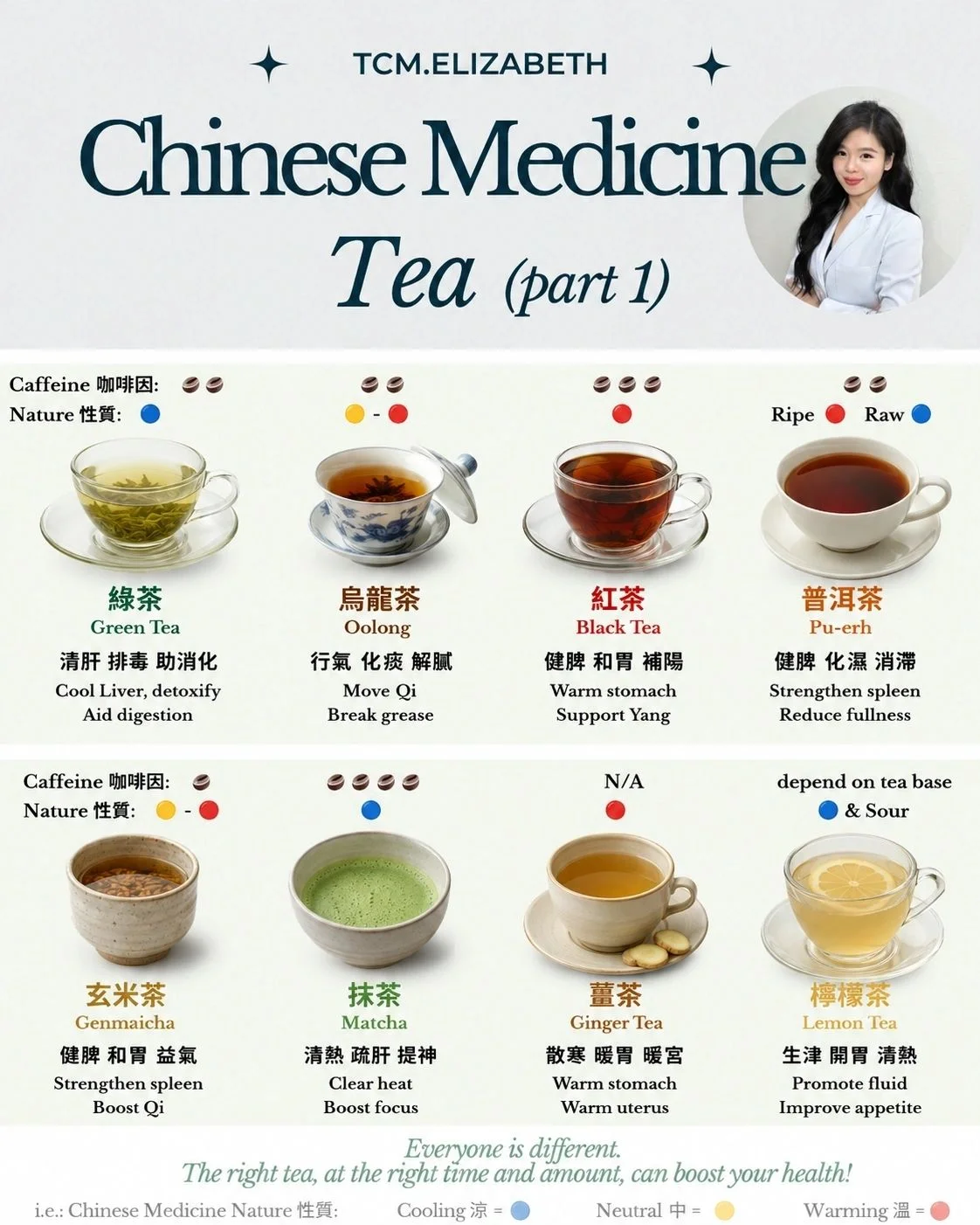
Nutrition focus: prioritise warming foods; avoid too many cold or raw foods and iced drinks; support circulation and digestion. Better choices: ginger tea, cinnamon, lamb, soups and stews, cooked root vegetables.
3.3 Qi stagnation type
Common signs include stress eating, bloating, emotional cravings, irregular appetite, chest tightness, and mood swings.
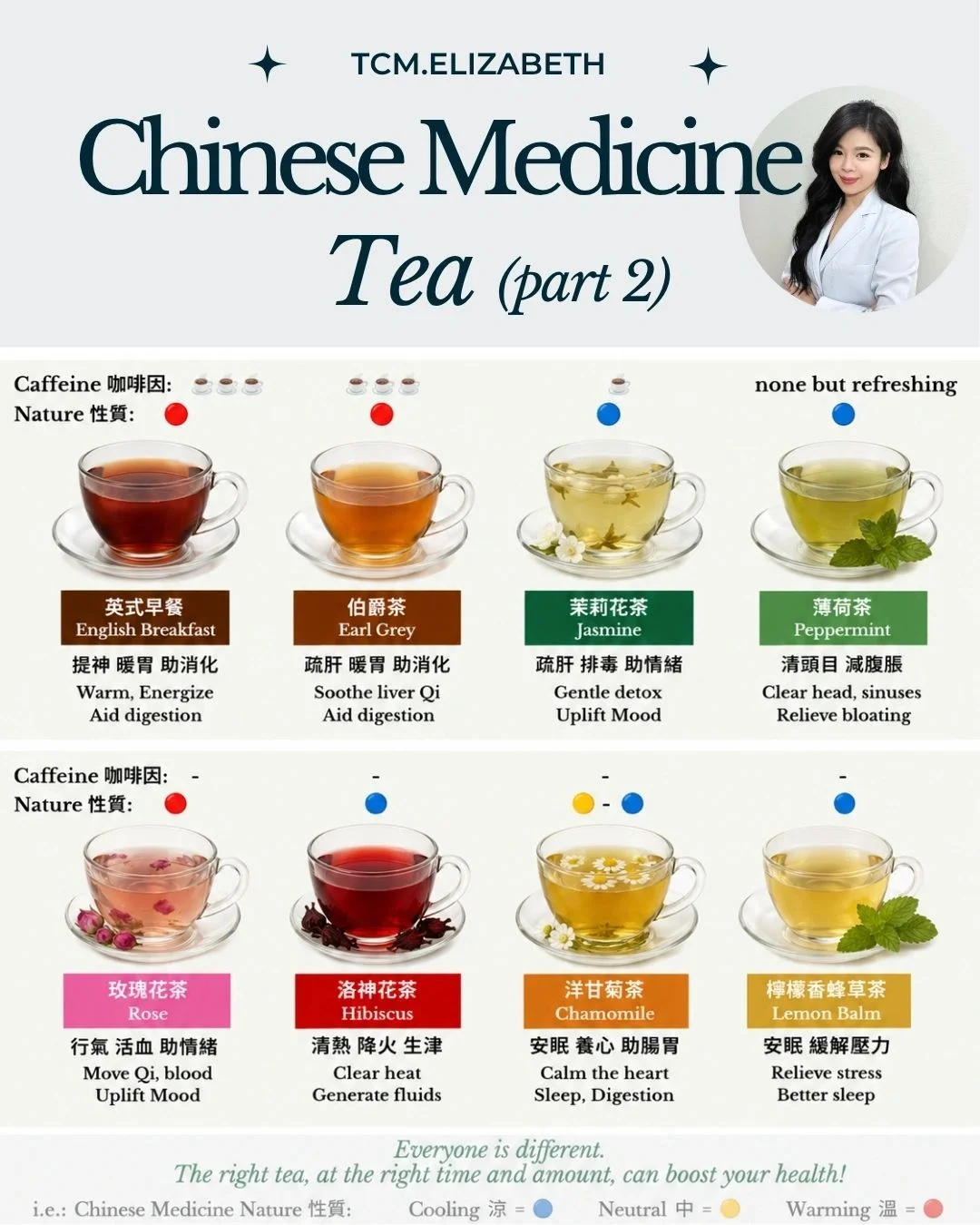
Nutrition focus: keep meal timing regular; reduce processed comfort foods, excess caffeine, alcohol, and sugar; support stable blood sugar to reduce cravings. Better choices: citrus fruits, peppermint tea, green vegetables, whole grains, salmon, walnuts.
For this type, stress management matters just as much as calorie control. Many people overeat not because they are physically hungry, but because their nervous system is dysregulated.
4. Recover properly and sleep well
Muscles are built during recovery, not only during training. I alternate muscle groups and training intensity across the week to avoid overtraining and reduce unnecessary inflammation.
Examples include upper/lower body split, push/pull/legs split, and active recovery days with walking or mobility work.
Recovery is where adaptation happens. Without enough rest, cortisol may stay elevated, recovery slows, and fat loss becomes harder to sustain.
Excessive training without proper recovery can increase inflammation, elevate cortisol, impair performance, and disrupt hormones.
4.1 Sleep
Aim for 7–9 hours per night
Ideally sleep before 11 pm
Poor sleep can negatively affect appetite regulation, insulin sensitivity, recovery, hormone balance, and training performance. It may also increase cravings and make fat loss more difficult.
From a TCM perspective, sleeping before 11 pm supports the Gallbladder and Liver systems, which are associated with rest, recovery, and hormonal balance.
5. Acupuncture & herbal medicine
Acupuncture may help support: muscle relaxation and recovery, circulation, stress reduction, sleep quality, bloating and water retention, appetite regulation, and areas with stubborn fat accumulation and poor circulation.
For active people, it can also be useful for Delayed Onset Muscle Soreness (DOMS), mobility, and recovery between sessions.
Herbal medicine should always be tailored to the individual and focused on the root pattern, such as strengthening Spleen function, supporting Kidney function, resolving dampness and phlegm, improving digestion and energy production, and supporting sleep and recovery.
In TCM theory, the Spleen governs muscles and the Kidney governs bones. When Spleen function is weak, nutrient transformation and muscle nourishment become less efficient, which may affect muscle growth, recovery, and energy levels.
Supporting Kidney function is also important for long-term vitality, bone strength, endurance, and physical resilience.
6. Manage stress and emotions
Your emotional state affects your body composition more than many people realise. In TCM, chronic stress may contribute to Liver Qi stagnation, which can show up as emotional eating, poor digestion, sleep disturbance, and abdominal weight gain.
From a physiological perspective, chronic stress may elevate cortisol, increase cravings, affect insulin sensitivity, and make recovery less efficient.
That is why I also focus on breathwork, walking outdoors, tai chi and stretching, resistance training for mental resilience, journaling, realistic goal setting, and building sustainable habits instead of extreme dieting.
The healthiest transformation happens when you are doing this because you love your body — not because you hate it.
Exercise and healthy eating should not be punishment. They should be acts of self-respect and self-care.
The goal is not simply to lose fat. The goal is to become healthier, stronger, more energised, and more balanced.
Content on this site is general health education. It does not replace individual diagnosis or treatment by a doctor or registered Chinese medicine practitioner. In an emergency call 999 or go to A&E.